
Building our way out of climate change
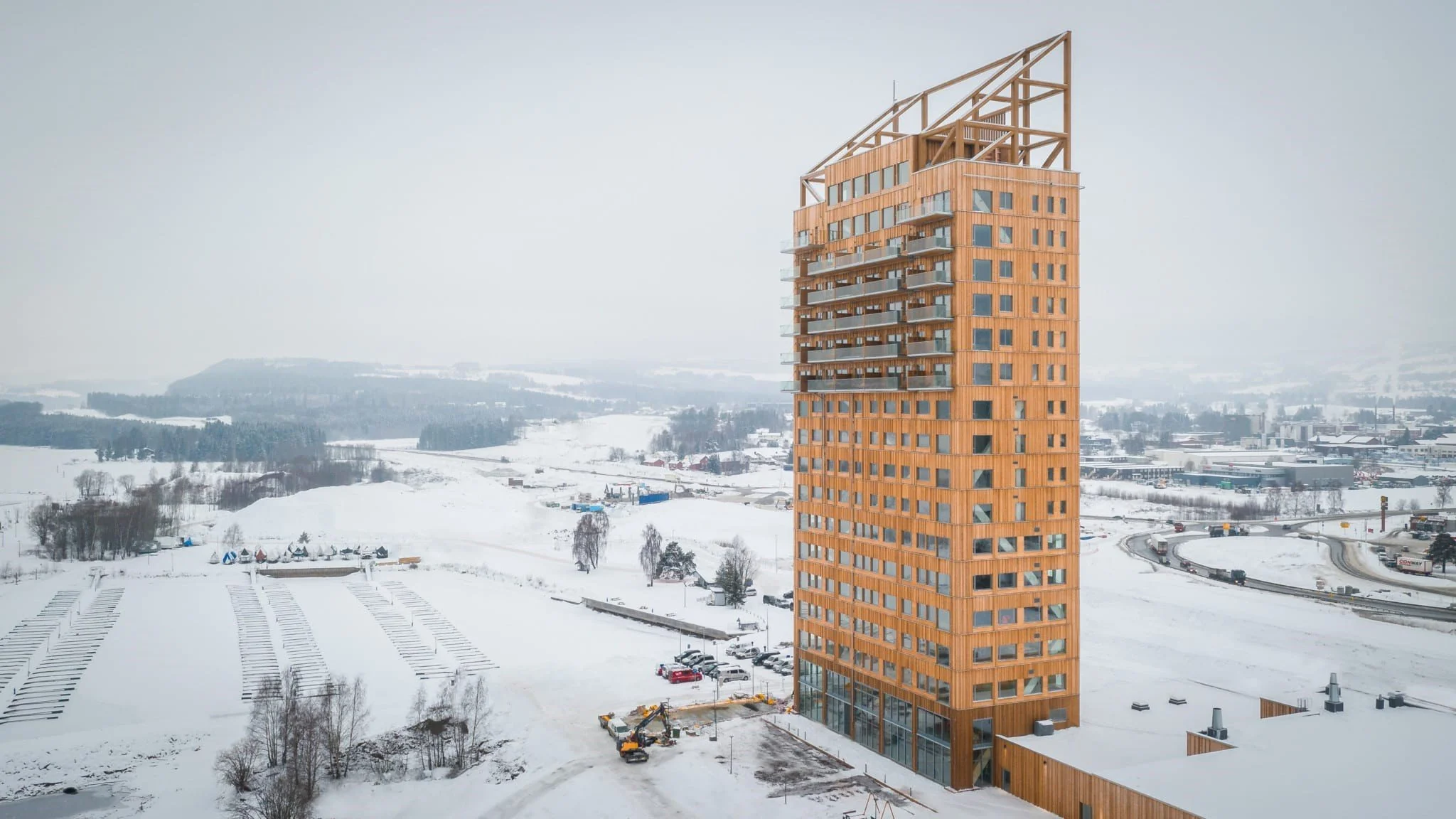
Image from Woodify
In 2022, we’re no strangers to climate change: new reports and headlines come out daily warning us about rapidly approaching deadlines to cut our carbon emissions before irreversible damage sends us into a desolate wasteland. Climate anxiety is real, and as a climate researcher I often find myself emotionally exhausted from the things I read about every day. Rather than another gloom-and-doom perspective, let’s instead discuss an exciting way we can create a healthy and sustainable future!
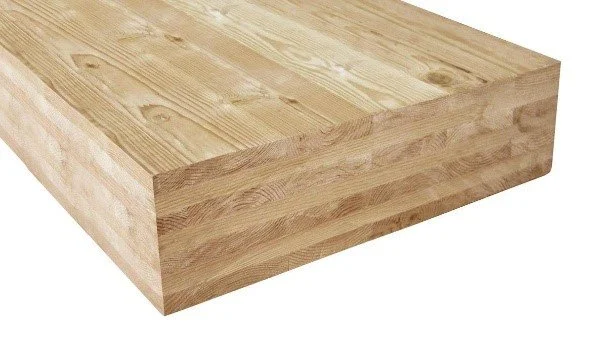
Through my research, I’m looking at changing the materials we use to create our buildings. Traditionally, the structural systems of buildings (e.g., columns and beams) are made from concrete or steel. These materials are fossil-fuel intensive, meaning the production of these materials emits a lot of carbon dioxide (CO2) to the atmosphere, which has been shown by an enormous body of scientific evidence to be the leading cause of climate change. Replacing these materials with less fossil-fuel intensive ones, such as wood products, can help us in our fight against climate change. However, for high-rise skyscrapers, we need structurally stable materials to be the backbones of our buildings, and that’s something architects have been lacking for decades. Commonly used structural wood products like plywood are not strong enough to hold an 18-story tower together.
Fortunately, researchers have recently developed a new wood product called cross-laminated timber, or CLT to solve this issue. CLT is constructed by stacking several layers of lumber, each layer perpendicular to the one before it, and gluing the layers together to form a massive composite panel. These panels are strong enough to construct buildings up to 18-stories tall, minimizing the use of fossil-fuel intensive materials. Since the production of CLT emits less CO2 than that of concrete or steel, building with CLT has immediate benefits to the climate by reducing the amount of CO2 emitted during production and construction. Furthermore, like all wood products, CLT has carbon stored in it thanks to its prior life as a tree: trees pull CO2 from the atmosphere when they photosynthesize and store the carbon in their trunks. This stored carbon remains in the trunk when the tree is harvested, processed into a wood product, and built into a building. Harnessing the energy of trees to fight climate change in buildings is a powerful tool we can use to prevent a future threatened by rising temperatures. But in a world with a rapidly increasing population, how can we make sure we don’t cut too many trees to satisfy our housing needs?
The effects of deforestation have been well-documented- the Amazon Rainforest is a prime example of the dangers overharvesting poses to a forest’s ability to provide services for the ecosystem, such as biodiversity preservation, pollution filtration and wildlife habitat. Fortunately, forest area in the United States has been shown to be stable, meaning we aren’t harvesting more than what’s growing. But while some studies have shown that a rising demand for wood products such as CLT won’t place pressure on our forests to supply wood, other researchers aren’t so confident. So, to make sure we keep harvesting less than what’s growing, we need to find ways to make the most of our wood by increasing product lifetimes. This is the problem I hope to solve with my own research by studying ways to reuse and recycle CLT panels so we can enjoy their carbon-storing benefits as long as possible. If we can keep carbon out of the atmosphere and store it in our forests and buildings instead, there’s hope that we can live in a world free from climate anxiety- and doom-and-gloom articles.

Christina Bjarvin is a graduate student and researcher at the University of Washington’s School of Environmental Forest Sciences, working and studying in the Center for International Trade of Forest Products lab. Her research focuses on how constructing tall buildings out of wood can help us fight climate change.